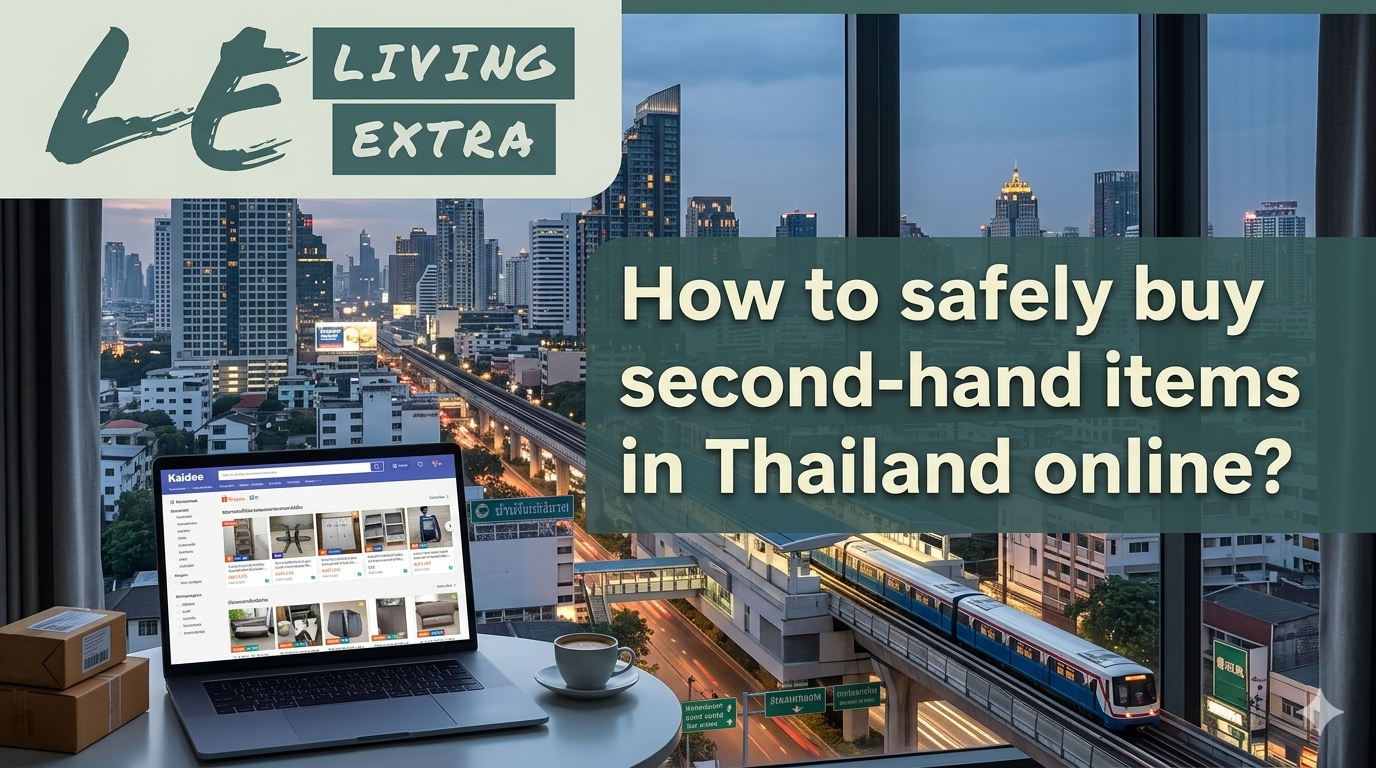
Buying second-hand items online in Thailand has become more popular than ever. With rising living costs, sustainability awareness, and the convenience of mobile shopping, more people are turning to pre-owned products for everything from furniture to electronics and even fashion. But while the deals can be great, the risks can also be real if you are not careful.
This guide will walk you through how to safely buy second-hand items online in Thailand, , using smart strategies that help you avoid scams, save money, and make confident purchasing decisions.
The second-hand market in Thailand is growing fast for a few clear reasons. People are becoming more budget-conscious, especially in urban areas like Bangkok and Chiang Mai. At the same time, there is a growing interest in eco-friendly living, which encourages reusing items instead of buying new ones.
Online platforms and social media groups have made it easier than ever to connect buyers and sellers. Whether you are an expat furnishing a condo or a local looking for a bargain, second-hand shopping has become part of everyday life.
Before diving into safety tips, it helps to know what people commonly buy online in Thailand:
Each category comes with its own risks, especially electronics and vehicles, so your approach should vary depending on what you are buying.
Buying second-hand online is not without challenges. Some common risks include:
Being aware of these risks is the first step toward avoiding them.
Not all platforms are equally reliable. Some are better moderated than others. While many people use social media marketplaces or local listing apps, it is important to stick to platforms that have:
Avoid deals that move too quickly to private messaging apps without any traceable history.
One of the most effective ways to stay safe is to check the seller’s credibility.
If a seller has a newly created account with no history, that is a red flag.
Do not hesitate to ask questions. A genuine seller will be willing to provide details.
Important questions include:
If the seller avoids answering or gives vague replies, consider it a warning sign.
Photos can tell you a lot if you know what to look for.
If possible, request a short video to verify the item’s condition.
Scammers often create urgency to pressure buyers into quick decisions.
Be cautious if you hear things like:
Take your time. A good deal today is not worth losing your money tomorrow.
Payment is where most scams happen. Always choose secure options.
Recommended approaches:
Never send money through untraceable methods or to accounts that do not match the seller’s name.
If you are buying locally, meeting the seller is one of the safest options.
Tips for safe meetups:
For large items like furniture, arrange to see them at the seller’s location but stay cautious.
Inspection is crucial, especially for higher-value items.
For electronics:
For furniture:
Do not rely solely on the seller’s word.
If the seller offers delivery, make sure:
Sometimes things just feel off. Maybe the price is too low, the seller is too pushy, or the details do not add up.
Trust that instinct. Walking away from a suspicious deal is always better than regretting it later.
When done right, buying second-hand online in Thailand can be highly rewarding.
The key is balancing opportunity with caution.
When navigating the Thai market, having access to reliable platforms and guidance makes a big difference. iSquare Resources Co., Ltd., through its platform LivingXtra, helps users explore property and lifestyle opportunities with greater clarity and confidence.
While buying second-hand items is different from property transactions, the same principle applies: informed decisions lead to better outcomes.
Buying second-hand items online in Thailand is a smart way to save money and live sustainably, but it requires awareness and careful decision-making. By verifying sellers, asking the right questions, inspecting items, and choosing safe payment methods, you can significantly reduce risks.
Approach every deal with a mix of curiosity and caution, and you will find that the second-hand market offers incredible value without unnecessary stress.
Yes, it can be safe if you follow best practices like verifying the seller, inspecting items, and using secure payment methods.
Cash on delivery or in-person payment is generally the safest. Avoid sending money upfront unless you fully trust the seller.
Check their profile history, reviews, and communication style. Genuine sellers are transparent and responsive.
If possible, yes. Meeting in person allows you to inspect the item and reduces the risk of scams.
Avoid deals that seem too good to be true, sellers who rush you, and payment methods that are not secure or traceable.
Looking to make smarter buying and living decisions in Thailand? Explore trusted insights and opportunities with LivingXtra today and turn every deal into a confident choice.

Finding the right job in Thailand can feel overwhelming, especially when thousands of opportunities are posted across d...

Phuket has become one of the most attractive destinations in Southeast Asia for travelers, digital nomads, retirees, and long ...