
Buying property in Thailand as a foreign buyer
What you can own, how the process works and what it costs — plus an English-speaking team at LivingExtra to handle viewings, paperwork and transfer while you are abroad.
What a foreign buyer can own
Thai law treats condominiums differently from land. These are the routes buyers normally use — your lawyer confirms which one fits your situation.
Condominium — freehold
Foreign buyers can hold a condo unit outright in their own name, within the building's foreign-ownership quota (up to 49% of the total saleable area). The remaining units are Thai quota.
Most common routeHouse or villa — leasehold
Land cannot be held freehold by a foreign individual. Houses and villas are usually taken on a registered long lease, with the building itself owned separately.
Registered at the Land OfficeCompany or Thai spouse
Some buyers hold land through a Thai company or a Thai spouse. Both have real legal and tax consequences — take independent legal advice before choosing this route.
Get legal advice firstFrom first viewing to keys in hand
Shortlist & view
Search here, save what you like and we arrange viewings — in person, or by live video call if you are overseas.
Reserve & check title
A reservation agreement holds the unit while your lawyer runs due diligence on the title deed, the quota and any encumbrances.
Transfer funds correctly
For a foreign-quota condo the purchase money must arrive from abroad in foreign currency, and the bank issues the FET / credit note the Land Office asks for.
Transfer at the Land Office
Balance paid, taxes and fees settled, title registered in your name. You can attend, or appoint your lawyer under a power of attorney.
Costs beyond the purchase price
Transfer costs in Thailand are normally shared between buyer and seller, and exactly who pays what is negotiable — agree it in writing before you reserve.
- Transfer fee — charged on the appraised value at the Land Office, commonly split 50/50.
- Specific business tax or stamp duty — depends on how long the seller has owned the property; usually the seller's cost.
- Withholding tax — deducted from the seller's proceeds at transfer.
- Sinking fund & common-area fees — a one-off contribution plus an ongoing monthly charge per m².
- Legal fees — due diligence, contract review and representation at transfer.
Rates and thresholds change. Ask us for the current figures for the specific property, and confirm them with your own lawyer or accountant — this page is general information, not legal or tax advice.
Support for buyers abroad
Live video viewings
A walk-through in your timezone, with the questions you want asked on camera.
English-speaking team
Every enquiry from this page is handled in English, with Thai handled on your behalf.
Quota & title checks
We confirm the foreign quota is available in the building before you commit.
Lawyer & bank introductions
Independent lawyers and banks used to handling overseas remittances and FET forms.
Condominiums for sale
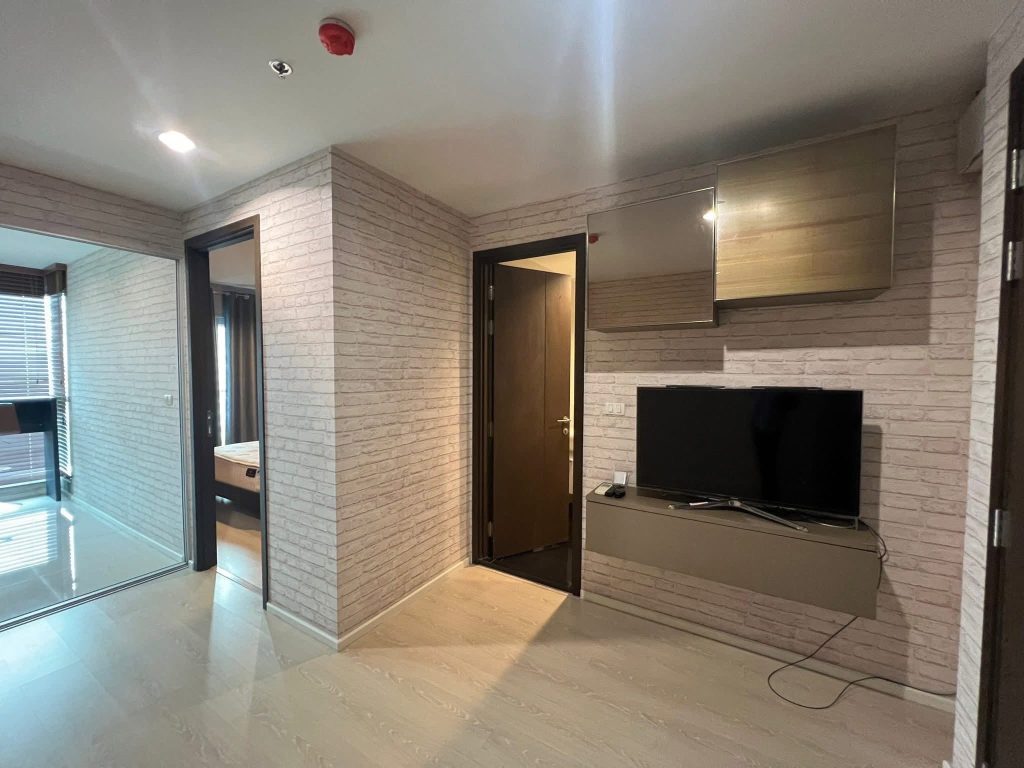
One Bedroom Condo For Sale
1 bed · 1 bath · 38 m²

Two Bedroom Condo For Sale
2 bed · 2 bath · 181 m²
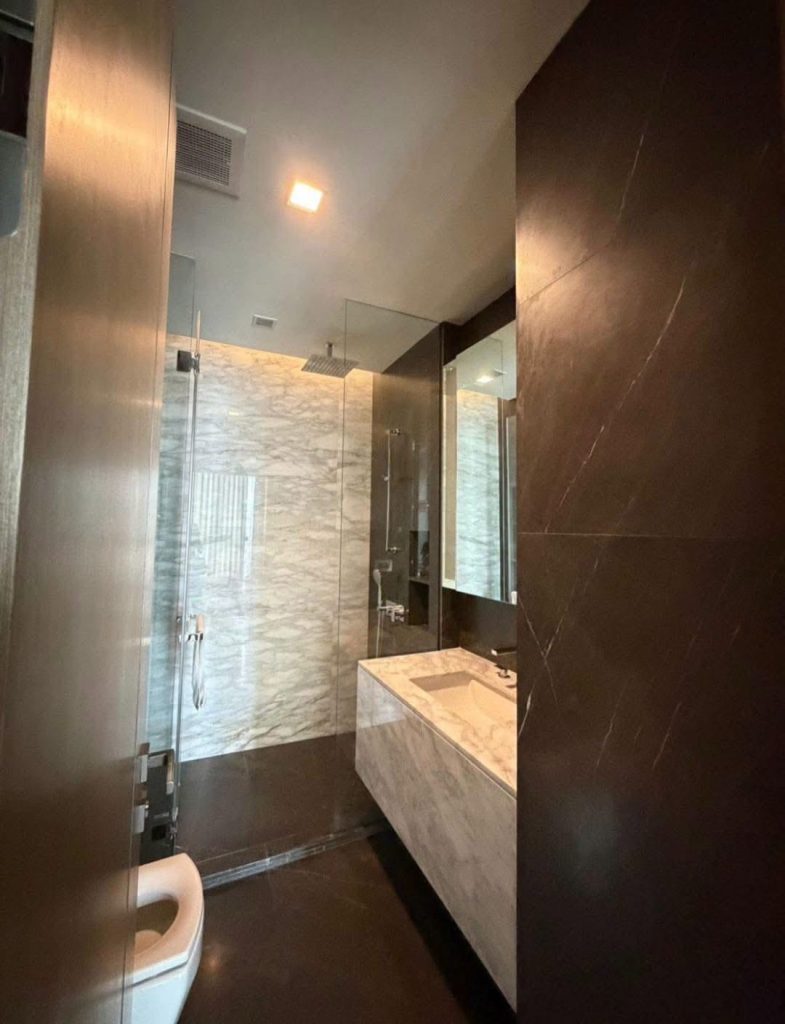
Two Bedroom Condo For Rent
2 bed · 3 bath · 125 m²
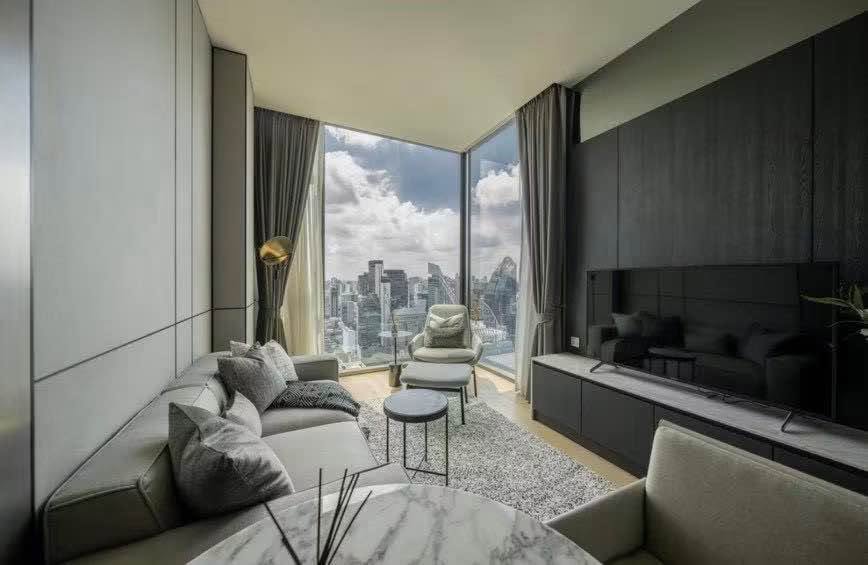
One Bedroom Condo For Sale
1 bed · 1 bath · 43 m²
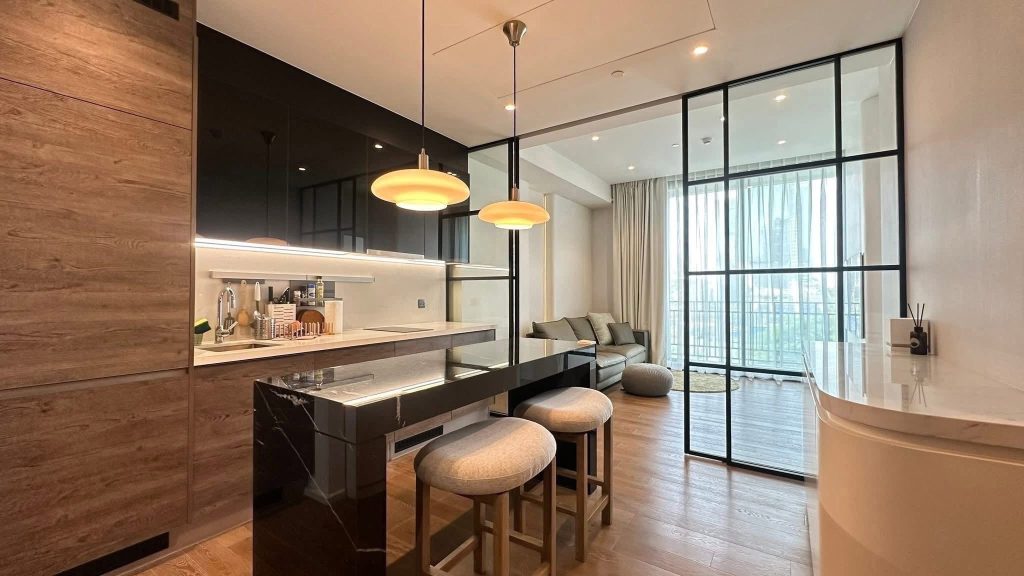
One Bedroom Condo For Sale
1 bed · 1 bath · 64 m²
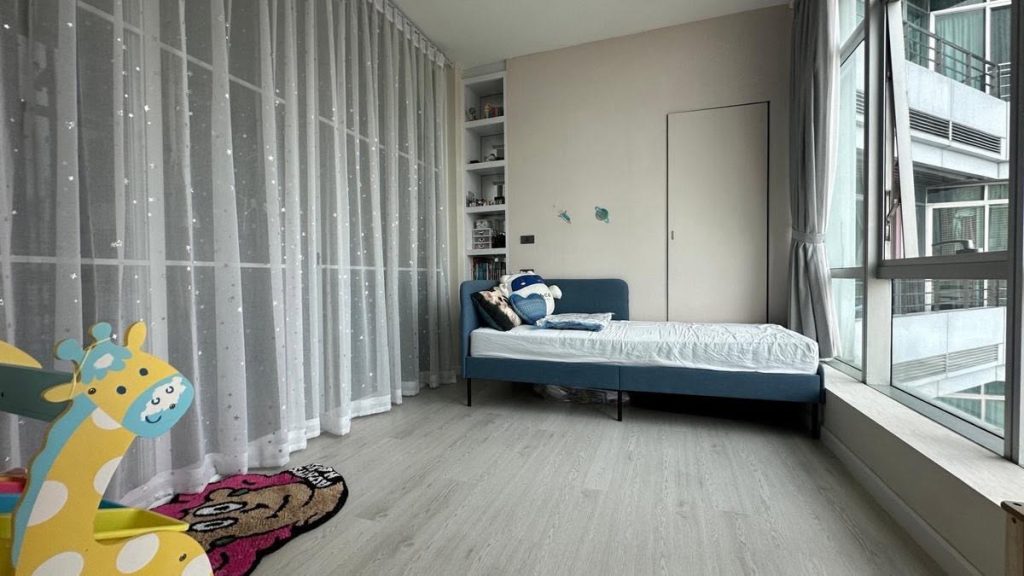
One Bedroom Condo For Sale
1 bed · 1 bath · 74 m²
Tell us what you are looking for
Send us your budget, preferred area and timing. We reply in English with matching properties, the quota position and a realistic cost breakdown.
- Matching freehold-eligible units
- Video viewings in your timezone
- Introductions to independent lawyers