
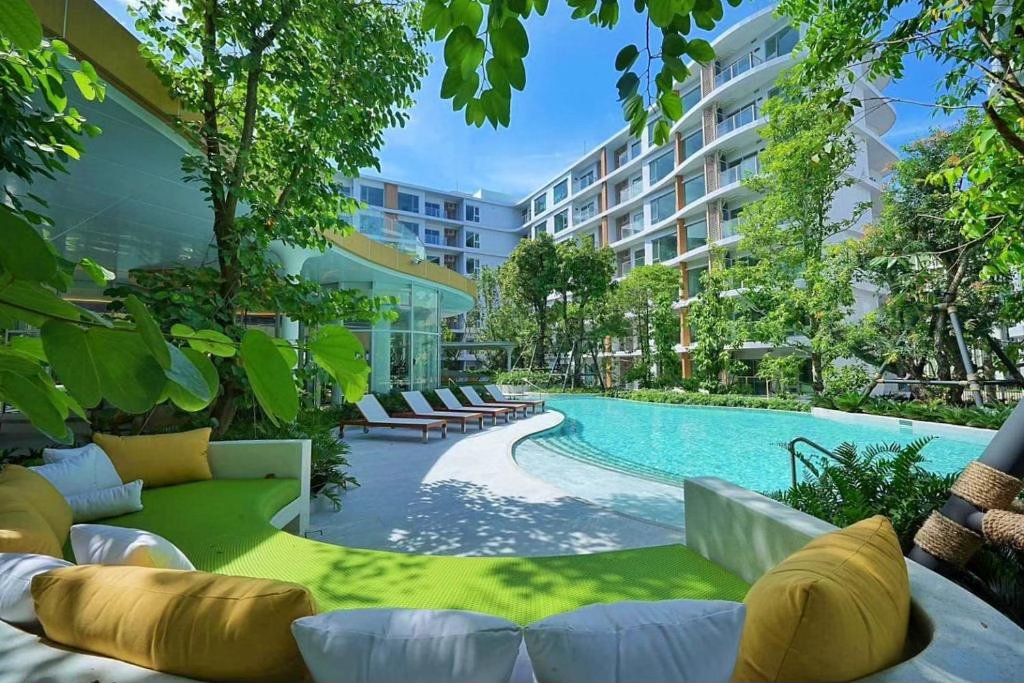
One of the most common questions overseas buyers ask is a simple one: can a foreigner actually own property in Thailand? The answer is yes — with some important rules to understand first.
Condominiums: the straightforward route
Foreigners can own a condominium unit outright, in their own name, with freehold title. The main rule is the 49% foreign-ownership quota: across any single condominium building, foreign owners may hold up to 49% of the total unit floor area, with the remaining 51% held by Thai nationals. This makes condos by far the most popular option for international buyers.
Land and houses
As a general rule, foreigners cannot own land directly in Thailand. Because a house sits on land, this affects villas and landed homes too. Buyers typically use one of a few structures instead:
- Leasehold — a long-term lease of the land, commonly up to 30 years and often with renewal options.
- Owning the building separately — it is possible to own the structure of a house while leasing the land it stands on.
- Thai company ownership — some buyers use a properly constituted Thai company, though this must be a genuine operating structure, not a shell created purely to hold land.
Bringing in funds
To register foreign ownership of a condo, the purchase funds generally need to be transferred into Thailand in foreign currency and exchanged to baht, with the bank issuing a Foreign Exchange Transaction record. Keep this documentation — you’ll need it at the Land Office.
Get proper advice
Property law in Thailand is very specific, and the right structure depends on your situation and goals. This guide is a starting point, not legal advice — always work with a qualified Thai property lawyer before you buy.