
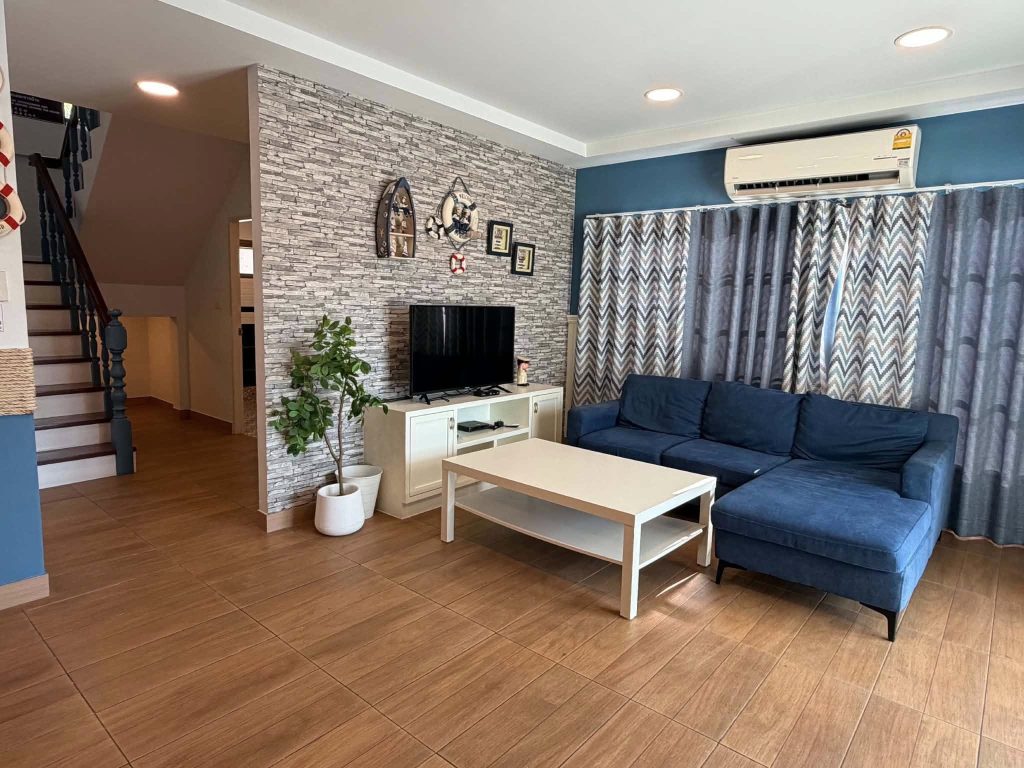
Buying off-plan — before a project is finished — can be one of the smartest ways to enter the Thai property market. You often secure a lower price, a wider choice of units and flexible payment terms. But because you’re buying something that doesn’t exist yet, doing your homework matters more than ever.
Check the developer’s track record
The single most important factor is who is building your home. Look at the developer’s completed projects, whether they were delivered on time, and how well they’ve been maintained since handover. Established developers with a long history are far less likely to stall or cut corners.
Understand the payment schedule
Off-plan purchases are usually paid in stages: a reservation fee, a deposit on signing the contract, then instalments tied to construction milestones, with the balance due at transfer. Make sure you’re comfortable with the schedule and that it’s clearly written into your contract.
- Reservation fee — a small amount to hold the unit while paperwork is prepared.
- Contract deposit — typically paid when you sign the sale and purchase agreement.
- Progress payments — instalments as the building rises.
- Final payment — the balance on completion and ownership transfer.
Read the contract carefully
Your sale and purchase agreement should spell out the expected completion date, the exact unit and its size, the specification and materials, and what happens if the project is delayed or not delivered as promised. It’s well worth having a lawyer review it before you sign.
Confirm the foreign-ownership quota
In a condominium, foreign buyers can collectively own up to 49% of the total floor area. If you’re a foreign buyer, confirm the project still has quota available in your name before committing.
Off-plan buying rewards patience and preparation. Choose a reputable developer, understand exactly what and when you’re paying, and get professional advice — and you’ll put yourself in a strong position when the keys are finally handed over.